Tasting Notes
Flavors: Salty, smoky
Food complements: Meats, Fish
Wine complements: Dry wine
Beverage complements: Beers and ales
Substitutes: Sea salt, Iquid smoke
Selecting and Buying
Seasonality: january, february, march, april, may, june, july, august, september, opctober, november, december
Choosing: When considering the use of salts, several points to consider may include the texture to add crispy or crunchy consistencies to foods, the aroma, the color for presentation purposes, and definitely the flavor which adds to the overall enjoyment of the food taste.
Buying: May not be available in all grocery stores. Look in gourmet and health food stores, up-scale groceries and order on line.
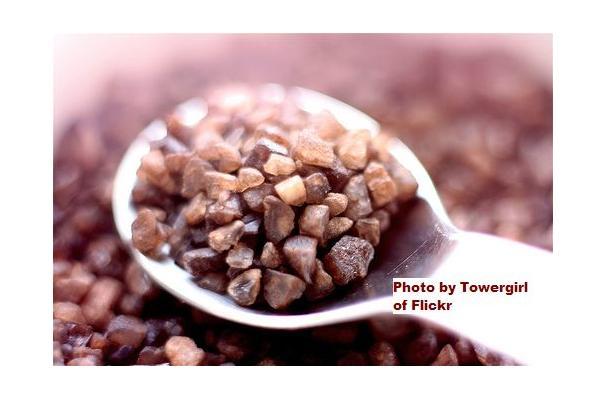
Procuring: Pacific sea salt, harvested from the sea, is slow smoked over red Alderwood wood.
Preparation and Use
Salish gives food a delicious smoke flavor both on and off the BBQ. Try on Salmon, red meat, creamy pasta dishes & baked potatoes. UWhen considering the use of salts, several points to consider may include the texture to add crispy or crunchy consistencies to foods, the aroma, the color for presentation purposes, and definitely the flavor which adds to the overall enjoyment of the food taste.se as a rub to be placed inside the cavity of poultry before cooking so that the meat remains moist. Salting vegetables prior to cooking is a process often used to draw out excess moisture that may adversely affect the taste or consistency when the vegetables are being prepared.
Rubbed fresh Alaskan winter salmon with olive oil, black pepper and this salt and then grilled the fish
Conserving and Storing
Store in a tightly sealed glass container in a dark cabinet away from a heat source. Has a long shelf life.
Social/Political
History: Once referring to the Puget Sound, the name Salish™ comes from the Native American Indians, the first to inhabit the great Pacific Northwest. In fact, Northwest Red Alderwood has been used to smoke salmon and other meats for hundreds and hundreds of years, making it a true Northwest tradition.