About This Food
Red Kidney Beans are beans that resemble a kidney and are used in soups, sauces and stews.
Information
Other names: Habichuelas, Chili Bean, And Spanish Tolasanas, Haricots Rouges, Red Bean
Translations: Sarkanās pupiņas, Red fasole, Crveni grah, Red thận Đậu, Red Kidney Fasola, लाल गुर्दा बीन्स, Feijão Vermelho, Красный Фасоль, Κόκκινα Νεφροί Φασόλια, الفاصوليا الحمراء, 붉은 강낭콩, Červené fazole, Red sa Bato beans, 红芸豆, Fesols Coloradas, Červená fazuľa, Red Fagioli, שעועית אדומה כליה, Црвена бубрега Пасуљ, 赤インゲン豆, Haricots rouges, Red Kidney Bohnen, Røde kidneybønner, Habichuelas Coloradas, Червоний Квасоля, Red Tarhapavut, Червен боб
Physical Description
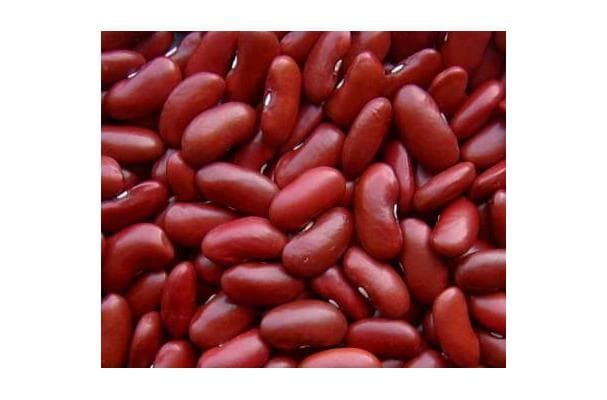
Red kidney beans have dark red skin and is named for its visual resemblance to a kidney. These beans are medium sized about 1/2 inch long and elongated. Distinguished for its bright maroon color, good size and firm texture.
Colors: maroon
Tasting Notes
Flavors: robust, full-bodied flavor
Mouthfeel: Rich, Creamy texture
Selecting and Buying
Seasonality: january, february, march, april, may, june, july, august, september, opctober, november, december
Peak: january, february, march, april, may, june, july, august, september, opctober, november, december
Choosing: Choose dried beans or beans canned with less sodium. Select dried beans that are dry, firm, clean, uniform in color and not shrivelled.
Buying: Available throughout the year in markets
Procuring: New York, Michigan, Colorado, California and Nebraska grow most of these beans.
Preparation and Use
Red kidney beans are exclusively used in New Orleans and much of southern Louisiana for the classic Monday Creole dish of red beans and rice. Thy are a common ingredient in chili con carne. It makes any salad bright and hearty. Also a favorite in Cajun Red Beans and Rice.
Cleaning: wash thoroughly then soak for 6-8 hrs before boiling then use .
boil in a pressure pan till tender, or soft.check with pressing with your finger., should be soft.
Conserving and Storing
Store dried beans at room temperature, in a closed container to protect from moisture and pests. Store canned beans at room temperature - use before date on can.