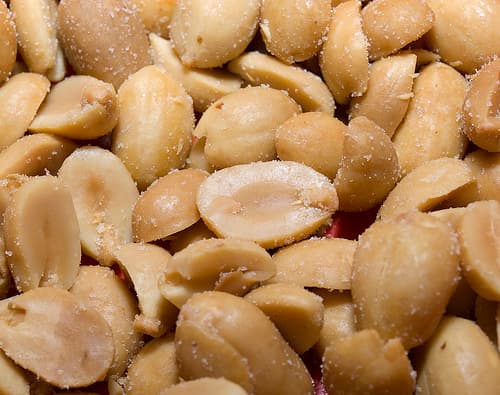

Photo: EuroMagic
I was getting ready this morning and half listening to the Today Show when I heard the discussion of misdiagnosed food allergies in children. My niece and nephews (as well as their parents!) have been put through the food allergy wringer, so I put my mascara down and listened. I've always wondered why so many children these days seem to have a litany of allergies. The Center for Disease Control says food allergies in children has increased 18% in the last decade.
So what is going on?
Part of the blame is on misdiagnosis, which doctors now say is on the rise. According to New York Times online article Telling Food Allergies From False Alarms, "the culprit appears to be the widespread use of simple blood tests for antibodies that could signal a reaction to food. The tests have emerged as a quick, convenient alternative to uncomfortable skin testing and time-consuming “food challenge” tests, which measure a child’s reaction to eating certain foods under a doctor’s supervision." And, while blood tests can point out potentially risky foods they can often result in false positives, and the body's immune response can be both over- and underestimated.
Blood tests can also be unreliable because they can't distinguish between similar food proteins. For example, if a child is allergic to peanuts they may also get a positive result for beans such as soy, green beans, kidney beans and peas. Likewise for a milk allergy - they may have a positive result to beef. In fact, according to a study by Pediatrics in 2003 a "positive result on a blood allergy test correlated with a real-world food allergy in fewer than half the cases."
Dr. David Fleischer, an assistant professor of pediatrics at National Jewish Health says a crucial question to ask when diagnosing food allergies is whether the child has tolerated the food in the past, and that “The only true test of whether you’re allergic to a food or not is whether you can eat it and not react to it.”
Many serious allergies are obvious, but according to the article, "parents given a positive blood test result should seek advice from an experienced allergist who performs medically supervised food challenge testing. Even when a food allergy has been confirmed, parents should have children retested, because many allergies are outgrown, particularly in the cases of milk, eggs, soy and wheat."
I say that's good food for thought.