About This Food
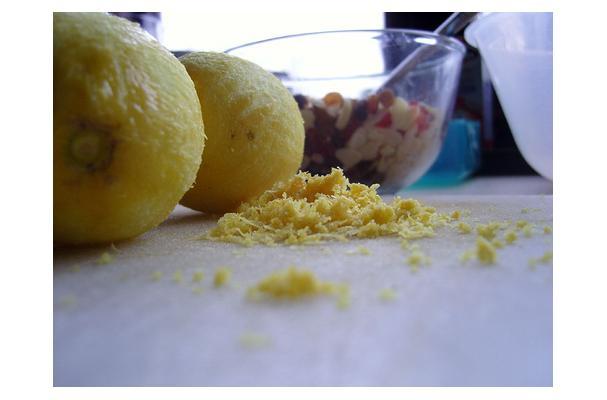
Lemon peel is the outer skin of the lemon fruit. The skin has two layers: the fleshy white pith and the yellow zest. The zest is high in oil, making it flavorful addition to food. Zest is removed from the peel by using a zester,which removes the zest either in small pieces or long strips, which can be used for decoration in addition to flavor.
Candied lemon peel is made by boiling slices of the peel (zest and pith) in sugar water until transparent, then allowing them to dry.
Information
Other names: Peel Of Lemon, Skin Of Lemon, Outer Crust Of Lemon
Translations: Citrinos žievelė, Coajă de lămâie, Limunova kora, Skórka z cytryny, Citroenschil, नींबू छील, Лимонной цедры, Φλούδα λεμονιού, قشر الليمون, 레몬 껍질, Citrónová kůra, 柠檬皮, Pell llimona, Limonino lupino, Citrónová kôra, Buccia di limone, לימון פיל, CITRONSKAL, Лимун Пеел, レモン果皮, Peau de citron, Zitronenschale, Piel limón, Лимонної цедри, Sitruunankuori, Лимонова кора
Physical Description
Zest, also known as citrus peel, is a food ingredient that is prepared by scraping or cutting from the outer, colorful skin of citrus fruits such as lemon, orange, citron, and lime. Zest is used to add flavor ("zest") to foods.
Colors: bright sunny, yellow, green, orange, brown
Selecting and Buying
Buying: Be sure the lemons aren't bruised or too soft when choosing.
Procuring: Lemons can be grown in your garden or inside hydroponic lab.
Preparation and Use
Zest is often used to add flavor to different pastries and sweets, such as pies, e.g. lemon meringue pie, cakes, cookies, biscuits, puddings, confectionary, candy and chocolate. Even different dishes, marmalade, sauces, sorbets and salads can use zest
Cleaning: Peel and Wash with luke warm water.
Conserving and Storing
Generally Lemon Zest should be used immediately, storing is not recommended.