


Blue Cheese- جبنه معفنه, روكفور
About
An English cheese that is produced by inoculating milk curd with a harmless mould which gives this cheese its characteristic flavor.
Information
Physical Description
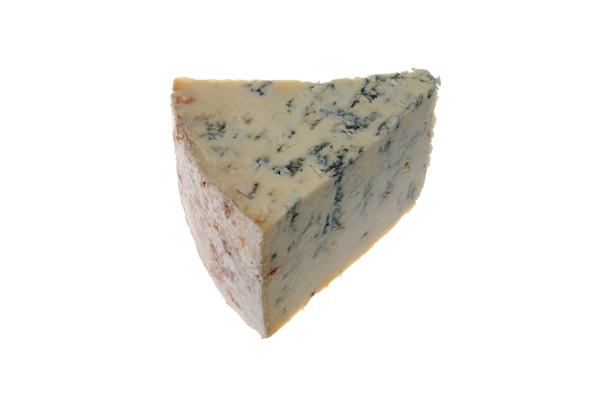
Blue cheese is a general classification of cow's milk, sheep's milk, or goat's milk cheeses that have had Penicillium cultures added so that the final product is spotted or veined throughout with blue, blue-gray or blue-green mold, and carries a distinct smell.
Tasting Notes
Selecting and Buying
Preparation and Use
The unique flavor of blue cheese is typically appreciated at room temperature either alone or served with fruit, crackers and wine. It has a flavor which varies from nutty to sour or tangy. Blue cheeses are strong, rustic-flavored cheeses and go best with similarly strong, flavored foods and drinks, and with tannic red wines.
Conserving and Storing
Firm blue cheeses such as Stilton should be wrapped in waxed paper and then either placed in a re-sealable plastic bag or plastic wrap. Then store it in your refrigerator drawer. All other blues should be placed unwrapped into an airtight plastic container with a few holes poked into it and then stored in your refrigerator drawer.


