


Lourinh
About
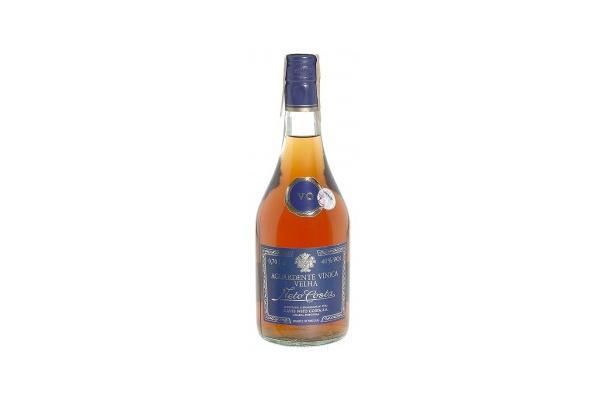
A Portuguese brandy Lourinhã, located in western Portugal's Estremadura region, is one of the few brandy-making areas to receive appellation status along with Cognac and Armagnac. The name Brandy is derived from brandywine (more accurately from Dutch brandewijn which means 'burnt wine'). Barndy is a spirit produced by means of distilling wine, the wine having first been produced by means of fermenting grapes. Brandy contains 40%%-60%% alcohol by volume and is normally consumed as an after-dinner drink. It is generally coloured with caramel colouring to imitate the effect of long aging in wooden casks.
Information
Other names: brandy, aguardente
Translations: Lourinhã, Лоуринх, Lourinhã
Physical Description
Colors: Amber
Tasting Notes
Food complements: Coffee
Beverage complements: Coffee, Heavy cream


