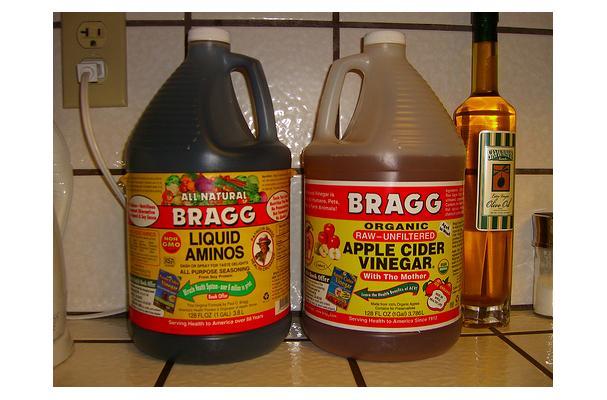
About This Food
Apple Cider Vinegar is one item that no kitchen should be without. It not only provides a range of health benefits but it can be used in a wide range of tasty dishes.
Health benefits include weight loss, increased energy, used to treat dandruff, aiding in blood circulation, treatment of arthritis and the list goes on.
More importantly Apple Cider Vinegar is a versatile cooking ingredient which is used to make sauces, marinate meats, add a punch to cocktail drinks and more. Why not enjoy the health benefits while enjoying the culinary versatility!
Information
Other names: vinegar, Cider Vinegar
Translations: Apple Sidra Etiķis, Obuolių sidro actas, Apple Cidru Oţet, Apple jabukovača ocat, Apple Cider Dấm, Ocet jabłkowy cydr, सेब साइडर सिरका, O vinagre de maçã, Яблочный уксус, Apple Μηλίτης Ξύδι, خل التفاح شراب التفاح, 애플 사이다 식초, Apple ovocný ocet, Apple cider suka, 苹果醋, Vinagre de sidra d'Apple, Apple Jabolčnik Kis, Apple ovocný ocot, Aceto di mele, Apple חומץ תפוחים, Äppelcidervinäger, Јабука јабуковача сирћета, アップルサイダー酢, Vinaigre de cidre d'Apple, Apfelessig, Apple Cider Eddike, Apple Cider Eddik, Vinagre de sidra de Apple, Яблучний оцет, Apple Siideri Etikka, Apple Ябълкови оцет
Physical Description
Apple cider vinegar is a tan to dark liquid which is watery and not viscous. It is sold in plastic and glass bottles. There may be a bit of sediment at the bottom of the bottle.
Colors: tan, brown
Tasting Notes
Flavors: fruity, apple
Mouthfeel: Liquid, Sharp and sour
Food complements: Green salad, Pork and chicken (as a marinade)
Beverage complements: Tea, Fresh berry juice, Lemon juice
Substitutes: White vinegar, Balsamic vinegar
Selecting and Buying
Seasonality: january, february, march, april, may, june, july, august, september, opctober, november, december
Choosing: When using in cooking, choose a vinegar that looks clear and light colored.
For taking as a health supplement, you might want to consider an organic version.
Buying: Apple cider vinegar is available in most supermarkets. It is also available in health food stores, gourmet shops, and farmers' markets.
Preparation and Use
Use apple cider vinegar along with oil and spices if desired to make a delicious vinaigrette dressing. Apple cider marinade is very similar and can be used for pork and chicken.
Conserving and Storing
Apple cider vinegar can be made at home. It is made with either whole apples or apple cider and yeast. The yeast ferments the sugar in apples to alcohol, and in a second process, bacteria is used to turn the alcohol into acetic acid.