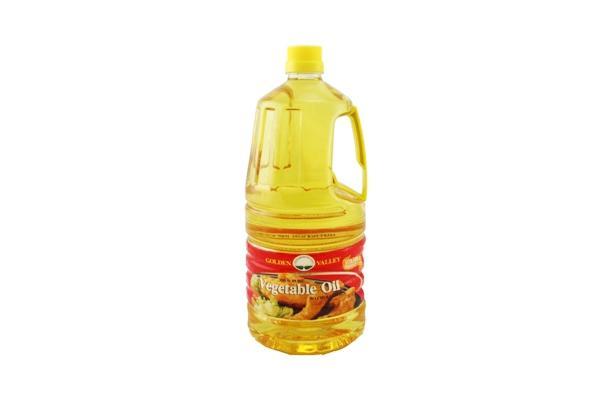
About This Food
Vegetable oils are oils extracted from vegetables. These vegetable oils maybe edible (for cooking) or inedible (for industrial use).
Examples of vegetable oils used in cooking are canola oil, sunflower oil, peanut oil, sesame oil, olive oil, etc.
Information
Other names: Salad Oil, Oil
Translations: Augu eļļa, Augalinis aliejus, Ulei vegetal, Biljno ulje, Dầu thực vật, Olej roślinny, Plantaardige Olie, वनस्पति तेल, Óleo Vegetal, Растительное масло, Φυτικά Λάδι, الزيوت النباتية, 야채 오일, Rostlinný olej, Биљног уља, Halaman Langis, 植物油, Oli vegetal, Rastlinsko olje, Rastlinný olej, Olio vegetale, שמן צמחי, Vegetabilisk olja, Minyak nabati, 植物油, L'huile végétale, Pflanzenöl, Vegetabilsk olie, Vegetabilsk olje, Aceite vegetal, Рослинна олія, Kasviöljyä, Растително олио
Physical Description
Yellow Gold fluid that is easy to boil when applied by heat. It also floats on water and creates greasy effect on plates, spoon and other cooking utensils. It has may variation and smoke point.
Colors: Yellow Gold
Tasting Notes
Mouthfeel: Oily
Substitutes: Oliv e oils, Butter, Margarine, Or lard
Selecting and Buying
Seasonality: january, february, march, april, may, june, july, august, september, opctober, november, december
Choosing: Most vegetable oils will add no discernible taste in frying. However, peanut oil is one that can impart some flavoring to foods.
For healthier choices, check labels for levels of fats. Avoid those that state “partially hydrogenated” and “saturated.” The “good” fats will be listed as unsaturated, polyunsaturated, or monounsaturated. Canola is at the top of the heart-healthy list as it is the lowest in saturated fats.
Blended oils may not list every ingredient. Generic “cooking oils” are generally soybean-based.
It is important to become familiar with the different types of vegetable oils for best results in baking, frying, and serving with fresh foods.
Buying: You can buy these Vegetables oils in supermarkets.
Preparation and Use
Do not use vegetable oil as a dressing. When reusing frying oils, remember that the smoke point may be lower than when it is fresh. Use extra virgin or extra light olive oils for cooking. Unrefined olive oil will begin to smoke at about 320 degrees F.
Conserving and Storing
These oils do not require refrigeration and may turn cloudy when cold. They will be good for about twelve months if stored properly (out of sunlight).