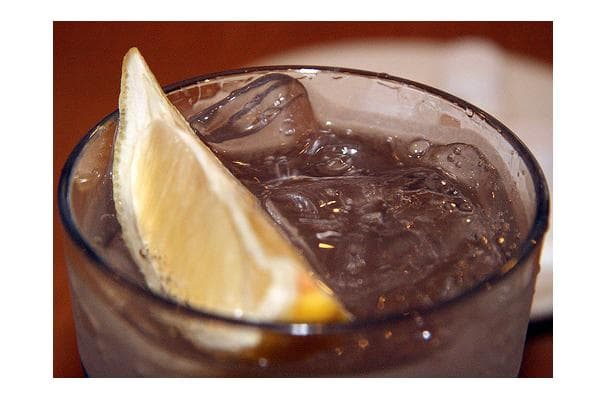
About This Food
Club Soda is a type of carbonated water with a slightly salty taste. Club Soda is mixed with other drinks or added to recipes to make fluffier cookies, cakes, pancakes and waffles. It is also useful around the house for cleaning porcelain sinks and fixtures and removing stains from fabrics.
Information
Other names: Carbonated Ater, Soda, Soda Water, Sparkling Water, Seltzer Water
Translations: Klubs Soda, クラブソーダ, نادي الصودا, Клуб сода, 클럽 소다, Soda Club, Soda Club, סודה קלאב, Клуб Сода, Soda Club, क्लब सोडा, Клуб Сода, 俱乐部纯碱, Soodavesi, Клуб Сода
Physical Description
Water that is carbonated and made effervescent.
Colors: clear and sparkly
Tasting Notes
Flavors: slightly salty
Mouthfeel: Effervescent, Fizzy, Bubbly, Sharp
Food complements: Lemon, Lime, Ginger
Wine complements: Red wine, Dry white wine, Port wine, White wine, Almaden, Sparkling wine
Beverage complements: Whiskey, Brandy, Juice
Substitutes: Seltzer, Lemon soda, Lime soda, Gingerale, Still water
Selecting and Buying
Choosing: Look out for club soda in cans that are leaking, rusting, bulging or severely dented.
If it develops an off odor, flavor or appearance, discard right away for quality purposes.
Buying: Available at all supermarkets, liquor stores and most convenience stores
Procuring: Club soda could be identical to plain carbonated waer or it may contain a small amount of table salt, sodium citrate, sodium bicarbonate, potassium sulfate, or disodium phosphate, depending on the bottler.
In the UK Soda Water is nearly always ade with sodium bicarbonate. The process can also occur naturally to produce carbonated mineral water.
Preparation and Use
Soda water is often drunk plan, mixed with fruit juices and is used to dilute alcoholic beverages an make cocktails, such as a whisky and soda or Campari and soda. Can be used in cleaning iron pots and pans, red wine spills on carpet, car supplies and precious gems like sapphires, rubies, emeralds and diamonds. Can also be used to calm an upset stomach.
Conserving and Storing
Store in cool, dry area. Storage time shown is for best quality only - after that, its color and flavor may change, but in most cases, may still be safe to consume if it has been stored properly.