


Karotan Carrot
About
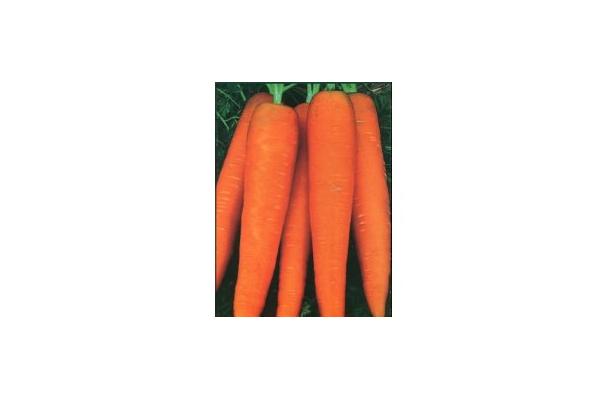
The karotan carrot is bred from Flakee and Imperator. It has good colour, is high in carotene, and is ideal for juice.
Information
Physical Description
The karotan carrot is from the parsley family with feathery green leaves and an orange root that can be eaten raw or cooked. It has conical shaped roots that are smooth with the potential to grow to 9 inches in length and 2 inches in diameter. It is especially known for its excellent color and dry matter content
Tasting Notes
Selecting and Buying
Preparation and Use
Carrots can be eaten raw or cooked. Raw carrots are eaten as a snack, or an appetizer, and are sliced, chopped, or grated to add to salads. They can be cooked using many different methods, such as boiling, steaming, sautéing, roasting or grilling. When cooked, carrots are eaten as a side dish on their own or cooked with other vegetables. They are also often added to other dishes, such as stir fries, casseroles, quiches, omelets, soups, and stews. The sweet flavor of carrrots also makes them a popular ingredient in baking cakes, muffins, breads, and cookies.
Conserving and Storing
Carrots can be stored in the refrigerator for up to a month if stored properly. To prevent condensation from forming, wrap the carrots in a paper towel and then place them in a bag in the refrigerator, or use a perforated plastic bag. Excess moisture will cause them to rot. If the carrots still have the greens attached, cut them off 2 inches above the crown to prevent them from drawing moisture out of the carrots. Do not store carrots next to ethylene gas producing fruits, such as apples and pears. The ethylene gas they release speeds up the ripening process of other fruits and vegetables. Carrots can also be stored unwashed and covered by sand. If stored in this manner in a dark, cool, well ventilated area, the carrots will last up to 5 or 6 months. They can also be left in the ground, covered with mulch, and used as needed until the ground begins to freeze. Carrots can also be peeled, cut up, blanched, and then frozen to preserve them for approximately a year.


